
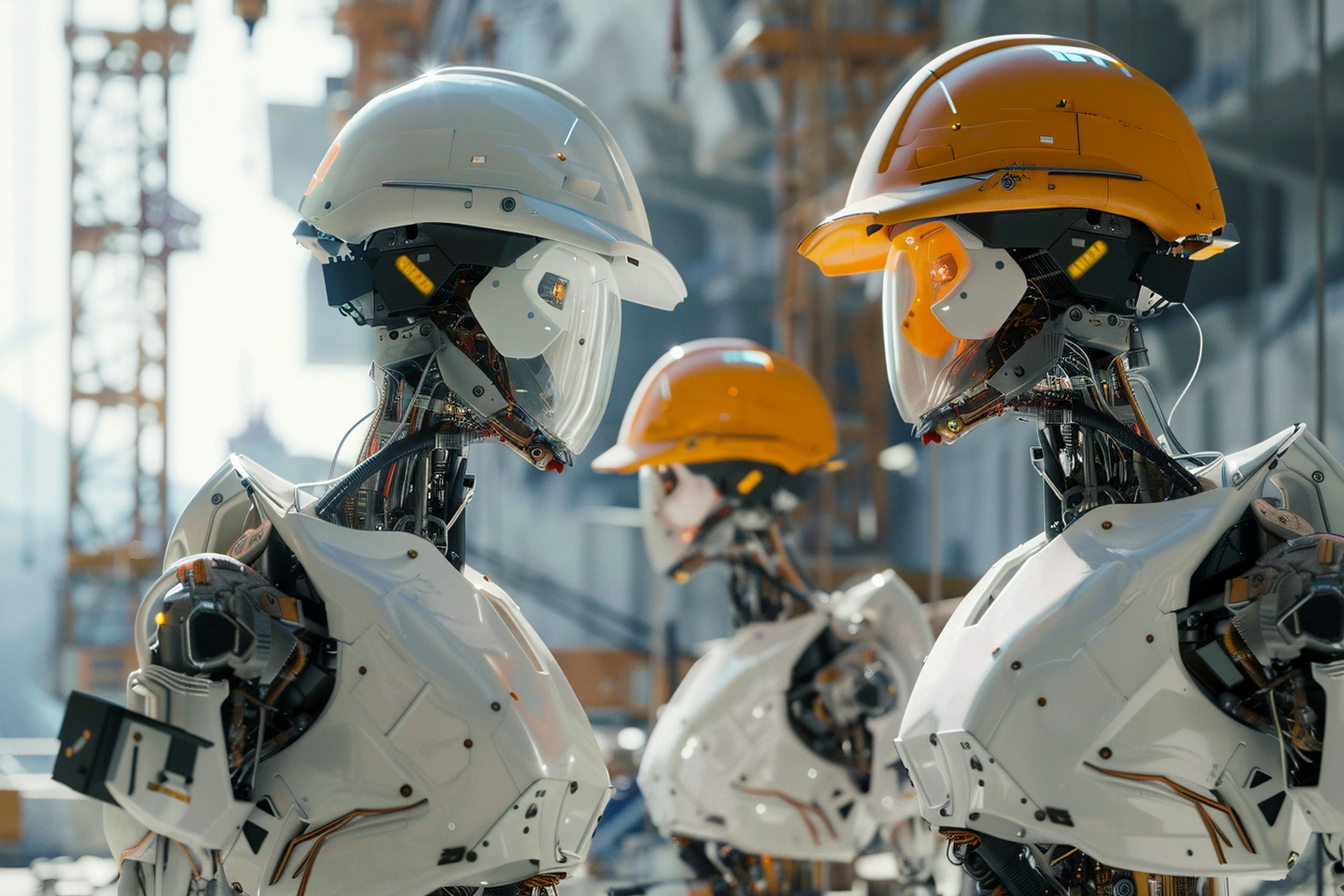
Tech layoffs have dominated headlines for over two years. From software engineers to product managers, cloud support, and sales teams, organizations that once hired aggressively are now shrinking headcount.
But this isn’t merely a cost-cutting exercise. It’s a structural reshaping of how tech companies operate, invest, and build products — driven by AI, automation, and distributed work.
The question isn’t just “Why are layoffs happening?”
The real question is: How can businesses and workers adapt to the new operating model?
🔎 Why Layoffs Keep Happening: It’s Not Just “Over-Hiring”
During 2020–2021, tech hiring exploded. Remote work, cloud adoption, and record valuations fueled unprecedented headcount growth. Early corrections in 2022–2023 were attributed to economic tightening. Yet even in 2024–2025, layoffs continue — despite returning profits and growth.
Why? Business fundamentals have changed.
- 📈 Capital Is Moving From Headcount to Compute
- Companies are reallocating billions from payroll to AI infrastructure.
- Training and running large AI models requires massive GPU and cloud budgets.
- Ownership of proprietary AI and automation systems is now prioritized over scaling teams.
- The “new hiring spree” is for machines, not people.
- 🤖 AI Is Automating Tasks Once Done by Humans
- Large language models, workflow automation, and intelligent agents are replacing:
- Customer support
- QA testing
- Content operations
- Analyst workflows
- Internal IT support
- Code maintenance and bug triage
- Small, AI-augmented teams are now outperforming traditional large departments.
- 📉 Public Markets Reward Efficiency, Not Headcount
- Investors increasingly measure:
- Revenue per employee
- Margin expansion
- Burn reduction
- AI and automation leverage
- Lean operations are now the long-term model, not a temporary correction.
- 🌍 Globalization of Skilled Tech Labor
- Remote work has enabled effective distributed teams at lower cost.
- Tech talent is now globally sourced, permanently reshaping workforce strategy.
🌐 A Global Trend, Not a U.S. Anomaly
- U.S. tech giants continue multi-wave layoffs, even in profitable segments.
- European and Asian firms are restructuring and adopting automation-first workflows.
- Startups now prioritize “automate first” over “hire fast.”
- This is not a recession; it is an operating-model transformation.
🧩 Implications for the Labor Market
✅ 1. Demand Is Shifting — Not Disappearing
New opportunities are emerging for roles aligned with AI, cloud, and automation:
- AI engineers, MLOps specialists, model evaluators
- Prompt engineers and automation architects
- Cloud FinOps and GPU optimization experts
- Human-AI workflow designers
- Cybersecurity, compliance, and data governance teams
✅ 2. Companies Will Run Smaller, Smarter, Faster
The dominant model now includes:
- Small core engineering teams
- AI-augmented workflows and automation
- Flexible, distributed talent networks
- Higher output per employee
✅ 3. Mid-Size Companies Are Poised to Win
- As Big Tech restructures, talent and innovation spread globally.
- Startups can leverage enterprise-grade AI without large internal teams.
- Cloud and automation dramatically reduce time-to-market.
- Innovation becomes less centralized and more accessible.
🧭 How Synaphis Helps Companies Adapt
At Synaphis, we view this shift not as decline, but evolution. Our approach empowers companies to thrive in the new AI-driven landscape:
✅ For companies:
- Build lean, AI-augmented teams using automation frameworks and cloud modernization.
- Replace repetitive manual work with custom intelligent systems.
- Scale efficiently using staff augmentation with vetted AI specialists and engineers.
- Achieve high output with smaller, expert teams rather than bloated headcount.
✅ For displaced or transitioning tech talent:
- Opportunities are redistributed globally.
- Synaphis connects skilled developers, AI specialists, and DevOps engineers to high-impact, international projects.
- Remote work and distributed teams allow top talent to build the next generation of AI-enabled software, regardless of geography.
🔮 What Happens Next: 5 Predictions
- AI-assisted engineering becomes standard. Teams without AI tools will fall behind.
- Efficiency-first operations dominate. Lean teams + automation outperform large departments.
- Hybrid workforce models become permanent. In-house leadership combines with distributed talent and automation.
- Mid-market companies accelerate faster than Big Tech. Less bureaucracy = faster adoption.
- Talent migrates to builders, not just scalers. Innovation shifts to agile organizations embracing AI.
💬 Final Thoughts
Tech is not shrinking — it is transforming.
Automation, AI, and distributed work redefine growth and opportunity. Companies that adapt, redesign workflows, and embrace efficiency will thrive. Workers who pivot to AI-enabled roles will find global opportunities for impact.
At Synaphis, we help both companies and talent navigate this transformation: building smarter teams, automating workflows, and delivering measurable results.
✍️ Author’s Note
To explore the future of AI, automation, and global tech talent — and how Synaphis can help your company scale smarter — subscribe to the Synaphis Newsletter or reach out to our team.